

Durable Fabric for Baseball Jerseys: A 2026 Guide

Table of Contents
Last Updated: October 19, 2026
Why Durable Fabric for Baseball Jerseys Decides Your Season
A baseball jersey gets slid on, stretched, grabbed, washed twice a week, and thrown back in a duffel still damp. At Hometown Team Sports, we build custom uniforms for youth programs, high school teams, and travel leagues.
Durable fabric for baseball jerseys is a knit material engineered to resist abrasion, tearing, and repeated washing while still moving with the athlete.
Below, we break down each fabric type by weight, construction, and real-world use, then show how to match fabric to your team's position mix, climate, and budget.
Key Takeaway Durability in a baseball jersey comes from three things working together: fiber type, knit construction, and fabric weight. Change one and the whole equation shifts.
Polyester Baseball Jersey Material: The Workhorse Choice
Polyester is the default baseball jersey material because it holds up. It resists stretching, shrinking, and most stains, and dries quickly after sweat or rain.
Not all polyester is equal. A cheap, loosely knit tee snags and thins out fast.
Pros of polyester jerseys:
Strong abrasion and tear resistance
Fast drying and low shrinkage
Holds color well through many wash cycles
Cons:
Less breathable than open mesh in extreme heat
Can feel clammy if the knit is too tight and the weight too heavy
For most youth and high school programs, a mid-weight polyester double knit is the safest starting point. It handles slides, machine washing, and the occasional dugout snag without falling apart.
Sports Mesh Fabric and Ventilation on the Field
Sports mesh fabric is a polyester or nylon knit with an open-weave construction that lets air pass through.
The trade-off is real: more open mesh means better ventilation but less surface area to resist snags.
A common approach is a hybrid build: solid double knit across the chest and shoulders, mesh panels under the arms and down the back. That gives you airflow where sweat collects and toughness where contact happens.
Pro Tip Ask your supplier where the mesh panels sit on the jersey. Mesh under the arms and along the spine adds ventilation without exposing the highest-wear zones to snags.
Baseball Uniform Fabric Weight Explained in GSM and Ounces
Baseball uniform fabric weight is measured in grams per square meter (GSM) or ounces per square yard.
One ounce per square yard equals roughly 33.9 GSM, so a 180 GSM fabric is about 5.3 ounces per square yard.
Here is how the ranges break down in practice:
Weight Range | GSM | Ounces per Square Yard | Best For | Trade-off |
Lightweight | 130-160 | 3.8-4.7 | Hot climates, practice jerseys | Breathes well, wears faster |
Medium-weight | 170-200 | 5.0-5.9 | Most game jerseys, youth and high school | Balanced durability and comfort |
Heavyweight | 210-260 | 6.2-7.7 | Travel and college programs, cold weather | Very tough, warmer to wear |
Most teams land on medium-weight fabric for game jerseys: heavy enough to resist snags and hold shape, light enough that players do not overheat in July.
Heavier fabric is not automatically better. Past a point, extra weight adds heat and stiffness without meaningful durability gains.
Knit structure matters as much as weight
Weight is the raw material; knit structure is how it is arranged. The three structures in baseball jerseys are:
Single knit: One set of loops, thinner and stretchier. Common in lightweight practice jerseys. Prone to snagging because the loops are exposed on both faces.
Double knit: Two interlocked layers of loops. Heavier per square yard, denser, and far more resistant to abrasion and running. The standard for game jerseys in most high school and travel programs.
Mesh: An open-hole knit, usually single knit with deliberate gaps. Excellent ventilation, lower abrasion resistance in the open zones. Often used as panels rather than the whole garment.
A 180 GSM double knit generally outlasts a 180 GSM single knit because the interlocking structure stops a snag from unraveling across the garment. When comparing swatches, ask for both weight and knit structure; a spec sheet that lists only GSM is incomplete.
How to compare specs before you order
When you request swatches, ask for these four numbers on every fabric:
Weight in GSM and ounces per square yard
Knit structure (single, double, or mesh)
Fiber content by percentage (polyester, nylon, spandex)
Width in inches, so you can calculate yardage per jersey
Suppliers often quote weight but not structure, which makes two very different fabrics look identical on paper. Insist on both. If a supplier cannot tell you the knit structure, that signals how well they know their own product.
Key Takeaway Weight sets the baseline, but knit structure decides how that weight performs. A mid-weight double knit usually beats a heavier single knit for baseball because it resists abrasion without adding heat.
Nylon, Spandex, and Blends: Stretch, Recovery, and Range of Motion
A baseball jersey needs to move. Swinging, throwing, and diving all demand stretch, which is where blends earn their place. Nylon brings higher abrasion resistance than polyester, spandex adds elastic recovery, and the blend ratio decides how the jersey behaves.
Polyester-spandex (typically 90/10 or 88/12): The most common performance blend. Good stretch, quick recovery, moderate cost.
Nylon-spandex: Higher abrasion resistance and a softer hand. Costs more, which is why it shows up in premium and travel-league uniforms.
Polyester-nylon blends: A middle path that improves toughness without the full nylon price jump.
The key word is recovery. Spandex that stretches but does not snap back leaves a jersey baggy at the elbows and knees by midseason. A higher-quality spandex blend recovers its shape wash after wash.
Watch Out A jersey that stretches easily but stays stretched is a sign of low spandex quality or too little of it. Check recovery by stretching a swatch and watching whether it returns to its original size within seconds.
Abrasion, Snag, and Seam Durability Testing
Durability testing separates a jersey that looks tough from one that is tough. Four tests matter most for baseball uniforms: abrasion resistance, snag resistance, tear resistance, and seam strength.

Abrasion resistance measures how much rubbing a fabric takes before it thins or pills. Snag resistance checks whether the knit catches on fences and gear.
How to check these yourself before ordering:
Rub a fabric swatch firmly against rough concrete or a brick edge and inspect for pilling
Drag a swatch across a chain-link fence and look for pulled threads
Stretch a seam sideways and check whether the stitching gaps or holds
The ASTM International standards for textile abrasion testing describe the lab methods mills use for these measurements.
How to Care for Polyester Jerseys So They Last
Caring for polyester jerseys is mostly about avoiding heat and harsh chemistry. Hot water, high dryer heat, and chlorine bleach break down fibers and fade color faster than anything else. The habits that preserve a jersey's look are not always the same ones that preserve its performance: moisture-wicking, stretch recovery, and seam strength each degrade on a different timeline.
What actually degrades, and how
Moisture-wicking finish: Most performance polyester is treated with a hydrophilic finish that pulls sweat to the surface. Fabric softener and dryer sheets coat the fibers and block that finish, which is why a jersey that used to dry fast starts feeling clammy by midseason. Skip both.
Spandex recovery: Heat is the enemy of spandex. Repeated hot drying breaks down the elastic fibers, so a jersey that stretched and snapped back in April stays baggy at the elbows by August. Air drying preserves recovery far longer than any detergent choice.
Colorfastness: Chlorine bleach and high heat both fade dyed polyester. Cold water and inside-out washing protect printed numbers and logos from abrasion against other garments.
A wash routine built around performance
Follow these habits to get multiple seasons out of a jersey:
Wash in cold water on a gentle cycle with like colors
Turn jerseys inside out to protect printed numbers and logos
Skip fabric softener and dryer sheets, which coat fibers and trap odor
Colorfastness and shrinkage both improve when you follow these steps. A jersey washed cold and air-dried will hold its size and color noticeably longer than one run through a hot dryer every week. The FTC guidance on care labeling for textiles explains what care instructions manufacturers must provide, so check the label before you invent your own routine.
Stain treatment for baseball-specific messes
Baseball jerseys pick up three stains generic care advice does not address: red infield dirt, grass, and pine tar. For dirt and grass, rinse in cold water, apply liquid detergent directly, and let it sit ten minutes before washing; hot water sets these stains. For pine tar, scrape off excess, apply a small amount of rubbing alcohol, then wash cold.
Pro Tip Assign each player a jersey number and wash jerseys in numbered mesh laundry bags. It prevents mix-ups, cuts down on lost gear, and keeps zippers and buckles from snagging the fabric in the machine.
When to retire a jersey
A jersey is done when the fabric thins at the chest and seat, seams gap under a sideways stretch, or the moisture-wicking finish no longer works (sweat beads instead of spreading). Those failures happen on different timelines, so inspect jerseys at the end of each season rather than waiting for a visible tear. A jersey that looks fine but no longer wicks is a performance problem, not a cosmetic one.
Choosing Durable Fabric for Baseball Jerseys by Position, Climate, and Budget
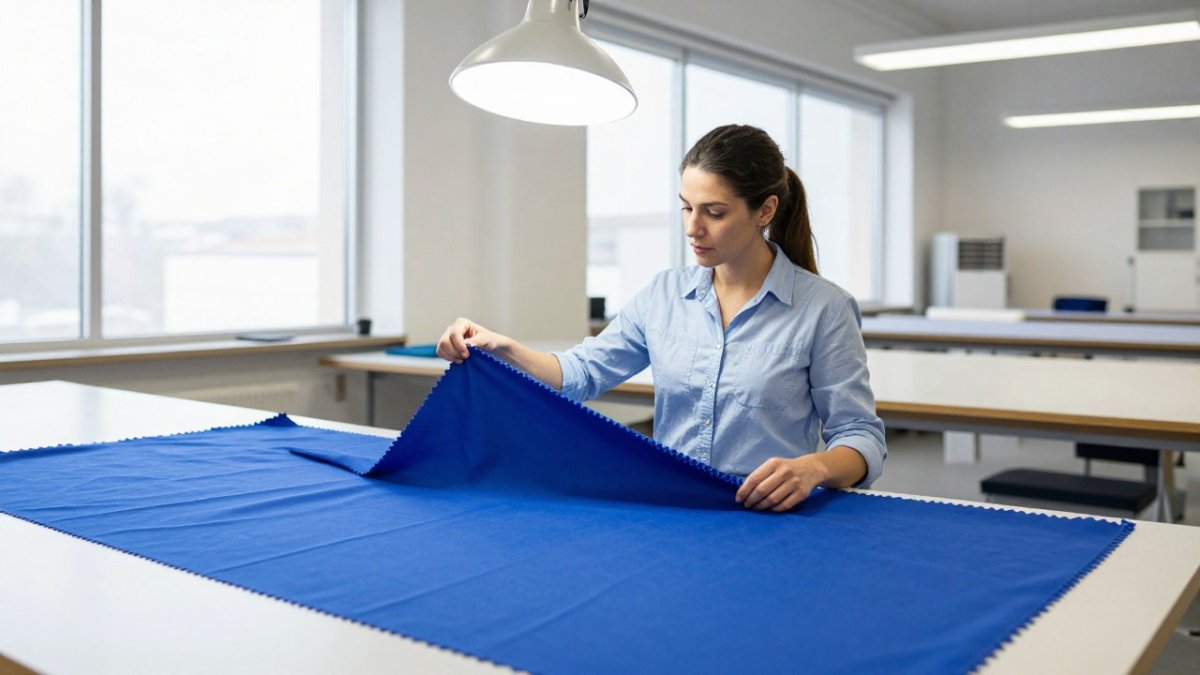
Fabric selection should follow the roster, not the catalog. A catcher and a center fielder abuse their jerseys differently, and a humid climate demands different fabric than cool spring weather.
Use this decision guide:
Situation | Recommended Fabric | Why |
Catchers and infielders | Mid-weight polyester double knit with reinforced seams | Highest contact and abrasion exposure |
Pitchers and outfielders | Mid-weight polyester with mesh back panels | Balanced ventilation and toughness |
Hot, humid climate | Medium-weight open mesh hybrid | Heat management without sacrificing wear zones |
Cool spring and fall seasons | Heavyweight polyester or nylon blend | Warmth and toughness |
Tight budget, youth team | Medium-weight polyester double knit | Best durability per dollar |
Travel or college program | Nylon-spandex blend | Maximum abrasion resistance and recovery |
Spend your fabric budget where contact happens: reinforce the chest, shoulders, and seat of the pants, and use lighter mesh where players need airflow.
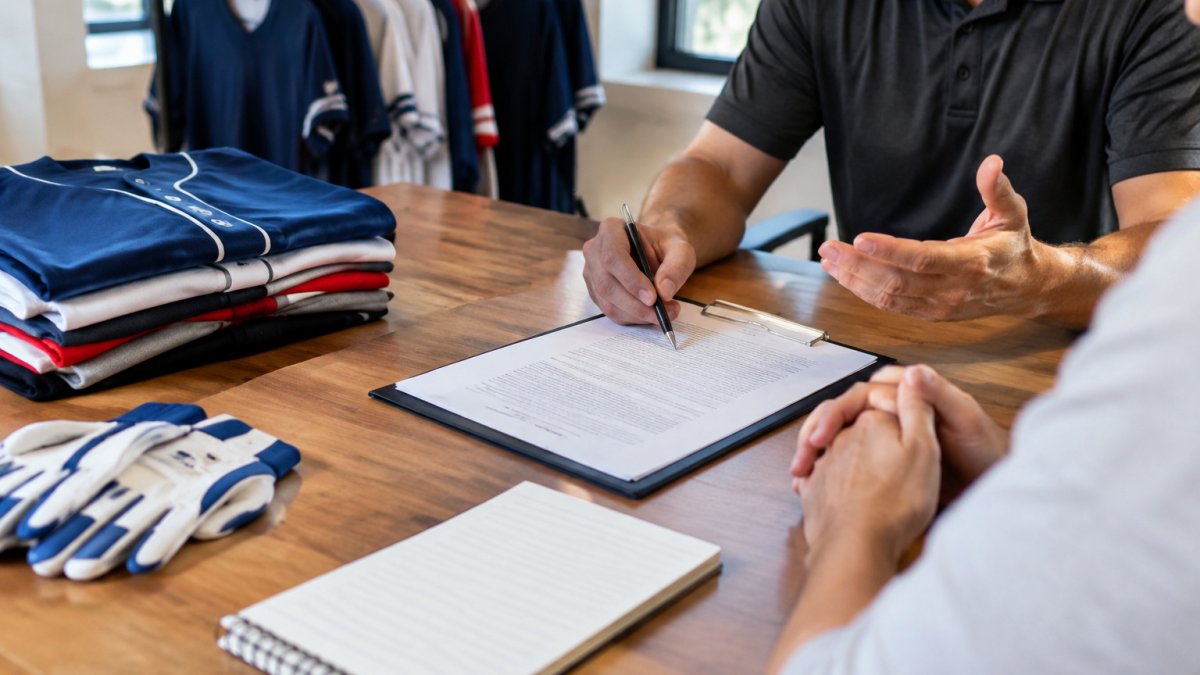
At Hometown Team Sports, we build full team packages around exactly this kind of fabric matching, with unlimited fabric color choices so the durability decision never costs you the look your team wants. Our customizable batting gloves add 42 leather color options on top of the uniform package.
Frequently Asked Questions
What is the most durable fabric for baseball jerseys?
Polyester and polyester blends hold up best for baseball jerseys. Polyester resists abrasion, holds color through repeated washing, and sheds sweat instead of soaking it. A medium-weight polyester double knit or polyester mesh with reinforced seams handles sliding and daily practice wear better than cotton, which absorbs moisture and stretches out. Look for colorfast dyes and flatlock or double-needle stitching, since seams usually fail before the fabric does.
Is polyester or mesh better for a baseball jersey?
It depends on the position and climate. Solid polyester double knit gives a smoother, more durable surface that resists snags, which suits infielders and cooler conditions. Sports mesh fabric uses an open-weave construction that moves air and dries fast, which helps pitchers and catchers in hot weather. Many teams split the difference with mesh panels under the arms and across the back, keeping a solid knit through the chest and shoulders.
What fabric weight is best for a baseball jersey?
Most baseball jerseys land between 150 and 200 GSM, roughly 4.4 to 5.9 ounces per square yard. Lightweight fabric under 150 GSM feels cool but snags and tears more easily. Heavyweight fabric above 200 GSM holds shape and takes hits but traps heat. Medium-weight polyester in that 150 to 200 GSM range balances breathability, durability, and drape for a full season of play.
How do you keep baseball jerseys from fading or wearing out?
Wash jerseys inside out in cold water on a gentle cycle, and skip fabric softener since it coats the fibers and blocks moisture-wicking. Air dry whenever possible; high dryer heat breaks down polyester and shrinks mesh. Turn printed and numbered jerseys inside out to protect graphics, and keep them out of direct sun when stored. Following these steps for how to care for polyester jerseys keeps colorfastness and stretch intact far longer.
Picking the right fabric is the difference between a jersey that survives the season and one that gets replaced in June. If you are outfitting a youth program, a high school roster, or a travel league, Hometown Team Sports can match fabric weight and construction to your positions, climate, and budget, then deliver full team packages with unlimited fabric color options and fast turnaround. Order online today and get your team into gear built to last.

Comments