

Custom vs Stock Baseball Uniforms: Which Fits Your Team

Table of Contents
Last Updated: October 10, 2026
Custom Baseball Uniforms vs Stock: What's the Real Difference
Choosing between custom baseball uniforms and stock uniforms affects your budget, timeline, and player satisfaction.
Custom baseball uniforms are tailored to your team's colors, logo, and sizing needs. Stock uniforms are pre-made options available immediately. The difference is control, timing, and total cost.
What Makes Custom Uniforms Unique
Custom baseball uniforms are built to your specifications: fabric, colors, logo placement, and sizing for each player.
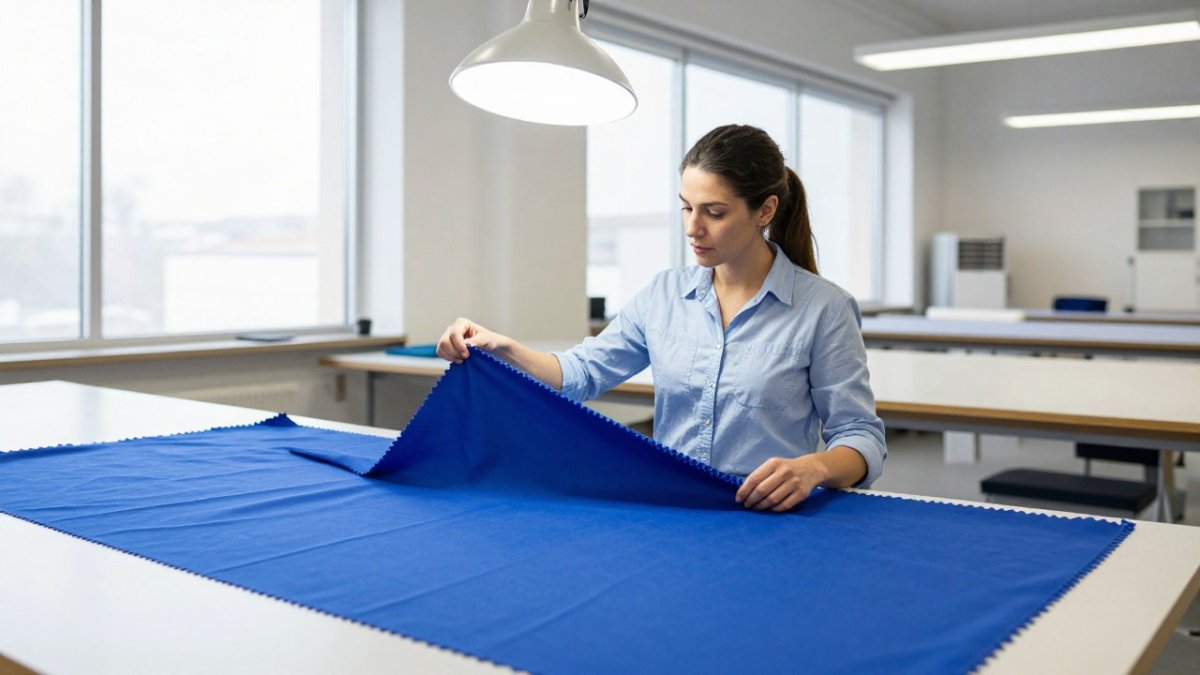
Custom uniforms feature higher-quality materials: full leather components and breathable fabrics like Sereno. Players notice better fit, comfort, and durability through a full season.
Custom uniforms let you position your logo for maximum impact and control player name placement, creating a cohesive appearance stock options cannot match.
The timeline is the trade-off. Custom uniforms require production time. Depending on complexity and order size, expect 5-8 weeks from order to delivery. Rush options exist but cost more.
What Stock Uniforms Offer
Stock uniforms ship within days from existing inventory. For teams with urgent timelines, this is the primary advantage.
Stock uniforms come in standard sizes and colors. Customization is limited to what's available in the catalog.
Stock uniforms cost less upfront with no design phase, custom production, or minimum order quantities, appealing to budget-conscious programs.
Stock uniforms lack the material quality of custom builds and wear faster under heavy use. Your team blends in rather than stands out.
Custom Team Uniforms Cost: Budget Breakdown and Value
Custom uniform pricing depends on several factors. Total cost of ownership often favors custom builds when you account for durability and replacement cycles.
Factors That Affect Pricing
Larger orders cost less per uniform. Many providers, including Hometown Team Sports, scale pricing for youth squads and small teams.
Fabric choice impacts cost. Premium materials like full leather cost more than synthetic blends. Sereno fabric sits in the mid-range. Practice uniforms can use budget fabrics; game uniforms justify premium materials.
Customization complexity drives price: simple embroidery costs less than multi-color designs, player names add cost, and rush production adds a premium.
Standard delivery takes 5-8 weeks. Express options cost more.
Total Cost of Ownership
A custom uniform worn for two seasons costs less per season than a stock uniform replaced annually.
Stock uniforms typically last one season. Replacing them annually means continuous expense for a team.
Custom uniforms built with quality materials last longer, spreading the higher initial cost across more seasons and often costing less per season than stock.
Custom uniforms maintain visual identity year after year. Stock uniforms fade and wear unevenly, creating a patchy appearance by mid-season.
For teams that reorder the same design season after season, custom uniforms offer another advantage: consistency. The same design, colors, and materials remain available. Stock uniforms get discontinued, forcing design changes when you reorder.
Baseball Uniform Turnaround Time: Planning Your Order
Timeline is the decision point for many teams. Understanding production schedules helps you order at the right time and avoid last-minute panic.
Custom Production Timelines
Standard custom production takes 5-8 weeks from order to delivery, including design approval, material sourcing, cutting, sewing, and customization.
Express production is available. Contact Hometown Team Sports for current pricing on rush orders.
Plan ahead to avoid stress. Spring season teams should order by early January; fall season teams by July. This timing allows 4-6 weeks for delivery, fit adjustments, and player familiarity.
Stock Uniform Availability
Stock uniforms ship within 3-5 business days. This speed solves immediate problems but limits your choices.
Stock availability fluctuates. Popular sizes and colors sell out quickly during peak season. Late-season orders may require substitutions or backorders.
Baseball Uniform Sizing and Fit: Getting It Right
Proper fit affects player comfort and performance. Custom and stock uniforms handle sizing differently, and this difference shapes the wearing experience.
Custom Sizing Flexibility
Custom uniforms accommodate individual sizing needs, eliminating the compromise of forcing players into standard sizes.
Sizing samples may be available to ensure fit matches expectations before committing to the full team order.
Custom sizing addresses specific needs. Within the same team order, every player can have their ideal fit.
Stock Sizing Limitations
Stock uniforms come in predetermined sizes. Some players end up in sizes that don't fit perfectly.
Sizing charts vary between manufacturers, creating frustration when ordering replacements or adding new players.
Stock uniforms rarely accommodate individual preferences. Players adapt to the uniform rather than the uniform adapting to the player.
Returns and exchanges are possible but add time and cost. If a player's uniform doesn't fit correctly, sending it back and waiting for a replacement delays their ability to wear it.
Team Uniform Ordering Checklist: What You Need to Know
Ordering uniforms involves coordination across multiple steps. A checklist keeps the process organized and prevents costly mistakes.
Before You Order
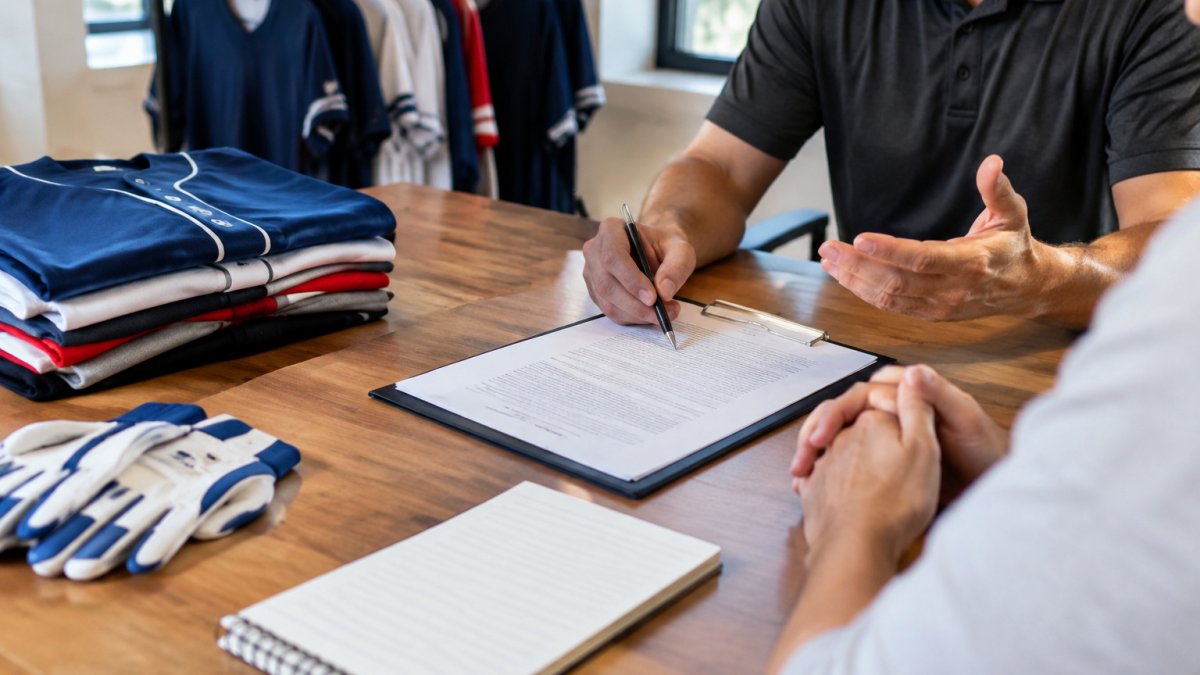
Decide between custom and stock based on your timeline. If your season starts in 8 weeks or less, stock may be your only option. If you have 10+ weeks, custom becomes viable.
Determine your budget and order size. Count the exact number of players, coaches, and extras you need. Many teams order 10-15% extra for growth, substitutes, and replacements.
Choose your colors and design. Custom teams should finalize logo placement, embroidery style, and fabric choices. Stock teams should confirm available sizes and colors in the catalog.
Get player sizing information. For custom uniforms, measure each player or use a sizing chart. For stock uniforms, have players select their preferred size from a chart.
Verify your supplier's policies. Understand the return window, rush options, and customization limits. Ask about fitting options.
During the Ordering Process
Submit your order with all specifications. For custom uniforms, include design files, color codes, and sizing details. For stock uniforms, confirm sizes and quantities.
Confirm pricing and delivery date. Get written confirmation of the total cost, including any rush fees or customization charges. Verify the expected delivery date.
Arrange payment. Understand the payment schedule, some suppliers require a deposit upfront and final payment before production. Others bill upon completion.
Schedule fittings if available. For custom uniforms, this step ensures quality before the full production run.
After Delivery
Inspect uniforms upon arrival. Check sizing, color accuracy, embroidery quality, and overall condition. Document any issues immediately.
Distribute uniforms to players. Have players try them on and report fit issues. Small adjustments or exchanges should happen quickly.
Care for your uniforms properly. Follow washing and storage instructions to extend durability. Proper maintenance keeps uniforms looking new longer.
Plan your next order. If you're satisfied with the supplier and design, reordering becomes straightforward. For custom uniforms, your design is already approved and can be reproduced with minimal changes.

Which Option Works Best for Your Team Type
Different team structures have different needs. The right choice depends on your competitive level, timeline, and budget.
Youth and Recreational Teams
Youth teams typically prioritize affordability and quick turnaround. Stock uniforms often fit this profile. They're inexpensive, available immediately, and require no design decisions.
However, many youth programs find that custom uniforms build team identity and pride. Young players feel more connected to a team wearing gear designed specifically for them. The extra investment in custom uniforms pays dividends in team cohesion and player satisfaction.
For small youth teams (under 15 players), custom uniforms from providers like Hometown Team Sports are competitively priced. The per-player cost becomes reasonable when you factor in durability and the ability to reuse designs for future seasons.
Competitive and Travel Teams
Travel teams compete year-round and often travel to tournaments. They need uniforms that look professional and withstand heavy use. Custom uniforms are the standard choice.
Travel teams benefit from consistent branding. Custom uniforms ensure that every player wears the same design, colors, and quality. This consistency creates a professional appearance that matters in competitive environments.
The investment in custom uniforms reflects the team's commitment to excellence. Players on travel teams expect gear that matches their competitive level. Stock uniforms feel inadequate for teams competing at that intensity.
Turnaround time is less critical for travel teams because they plan ahead. Most travel seasons are scheduled months in advance, allowing time for custom production.
High School and College Programs
High school and college programs have established budgets and procurement processes. Many work with suppliers annually, ordering uniforms for multiple teams and sports.
Custom uniforms are standard at this level. Programs want consistency across seasons and the ability to update designs as needed. The investment in quality materials reflects the professional environment.
College programs often have higher budgets and access to premium customization options. Full leather components, advanced embroidery techniques, and performance fabrics are common at this level.
High schools balance budget constraints with the desire for quality. Many choose mid-range custom options that offer personalization without premium pricing. Hometown Team Sports serves this market by offering quality custom uniforms at accessible price points.
Customization and Durability: Performance That Lasts
The materials and construction methods determine how long uniforms survive competitive use.
Design Options and Personalization
Custom uniforms offer unlimited design possibilities. Your team's colors, logo, and player information are fully customizable. This flexibility lets you create uniforms that match your program's identity exactly.
Player names, numbers, and sponsor logos can all be customized.
Fabric color choices are extensive. Hometown Team Sports offers unlimited fabric color options, meaning you're not limited to a pre-defined palette. This freedom ensures your uniforms match your team's brand perfectly.
Logo placement is precise. Custom production lets you position your logo where it has maximum visibility and impact. Whether centered on the chest, placed on the sleeve, or featured on the back, you control the placement.
Material Quality and Longevity
The fabric choice determines durability. Premium materials like full leather last longer than synthetic blends. Sereno fabric, lightweight and breathable, offers a balance of performance and durability.
Stitching quality matters significantly. This prevents premature wear.
Customization quality affects longevity. Lower-quality customization deteriorates quickly, creating a worn appearance.
Fabric weight influences durability. The right choice balances comfort and durability based on your intended use.
Care and maintenance extend the lifespan of any uniform. Washing in cold water, air drying, and proper storage keep uniforms looking new.
Pro Tip Order your custom uniforms 6-8 weeks before your season starts. This timeline allows for production, delivery, and player fitting without rushing. If you're planning a spring season, place your order by early January.
Choosing the right uniforms shapes your team's experience from day one. Custom baseball uniforms deliver personalization, durability, and team identity that stock options cannot match.
At Hometown Team Sports, we help teams make this decision by offering both options.
Frequently Asked Questions
What is the difference between custom and stock baseball uniforms?
Custom baseball uniforms are designed specifically for your team with your choice of colors, logos, embroidery, and sizing. Stock uniforms are pre-made in standard sizes and designs. Custom uniforms give you complete control over appearance and fit, while stock uniforms offer immediate availability and lower upfront costs. Custom uniforms typically require lead time for production, whereas stock options ship quickly.
Are custom baseball uniforms more expensive than stock uniforms?
Custom uniforms generally have a higher per-unit cost, but the total investment depends on team size and volume. Small teams may find stock uniforms cheaper initially, but custom uniforms often provide better durability and fit, reducing long-term replacement costs. Pricing depends on quantity, design complexity, fabric choices, and delivery timeline. Contact Hometown Team Sports for a quote comparing both options for your specific team needs.
How long does it take to get custom baseball uniforms?
Custom baseball uniform turnaround time depends on complexity, customization choices, and current production volume. Rush options may be available for additional fees. Stock uniforms ship within days. If you have a specific deadline, discuss your timeline when ordering to ensure the provider can meet your needs and confirm any rush charges upfront.
What should a coach compare when choosing between custom and stock uniforms?
Compare total cost, turnaround time, sizing options, design flexibility, durability, and your team's timeline. Consider team size, budget constraints, and whether your team needs specific branding or colors. Evaluate fabric quality and material choices that support performance and comfort. Check return policies. Review the ordering process to confirm it fits your team management workflow.

Comments