

Best Custom Uniform Providers 2026: Top Picks & Pricing

Table of Contents
Last Updated: October 6, 2026
What to Look for in Custom Uniform Providers in 2026
Finding the best custom uniform providers 2026 has to offer starts with knowing what separates a reliable partner from a frustrating one. At Hometown Team Sports, we've watched teams cycle through vendors who promised the world and delivered mismatched colors and missed deadlines. The difference almost always comes down to two things: fabric quality and how much design control the provider actually gives you.
U.S. Consumer Product Safety Commission guidance on textile and apparel safety sets the baseline for what any uniform supplier should already be meeting. Beyond compliance, here's what actually matters.
Fabric Quality and Durability
Fabric is where cheap uniforms expose themselves. A common mistake is judging a uniform by how it looks in a photo rather than how it holds up after ten washes and a full season of practices.
Performance fabric should manage moisture, resist fading, and keep its shape. Sublimated uniforms, where the design is dyed into the fabric rather than printed on top, tend to hold color far better than screen-printed alternatives. Look for full leather in batting gloves and lightweight technical fabrics in jerseys and compression gear.
Design Flexibility and Customization Options
Design flexibility means more than picking from preset templates. The strongest providers offer custom printing and full control over logos, artwork, and color options.
Team identity lives in the details. When a provider caps your color choices or charges extra for every logo adjustment, you lose the ability to build something that actually feels like your program.

Top Custom Uniform Companies: A Side-by-Side Comparison
Most "best of" lists rank providers on vibes. A useful comparison scores every company on the same criteria so you can build a shortlist in an afternoon instead of a month. The gap in nearly every ranking article is transparency: nobody publishes the numbers buyers actually need. Here's the framework we use, and the questions that separate a real contender from a brochure.
The Like-for-Like Comparison Criteria
Score each provider on these seven dimensions using the same order scenario. A 15-player youth soccer order and a 60-piece corporate polo program will produce different answers, so pick the scenario closest to yours and hold it constant.
Criteria | What to Ask | Why It Matters |
Minimum order quantity | Is there a per-style or per-design minimum? Does it apply to reorders? | Determines whether small programs can even qualify |
Per-unit price range | What does a 12-piece order cost versus a 50-piece order? | Reveals volume breakpoints and hidden tiers |
Setup and design fees | Are digitizing, screen setup, or art fees charged per color, per logo, or per order? | Setup fees can rival the garment cost on small runs |
Decoration method | Sublimation, screen print, embroidery, or heat transfer? | Drives durability, color range, and cost curve |
Lead time | Quoted production days plus shipping transit | The number that decides whether you make opening day |
Shipping and freight | Flat rate, per-piece, or free over a threshold? | Frequently the line item that blows the budget |
Reorder and replacement policy | Single-piece reorders? Archived artwork? Color matching across seasons? | Protects you after the season starts |
How to Build a Shortlist in One Afternoon
Request quotes from three to five providers using identical specs. Same garment, same decoration, same quantity, same deadline. Apples-to-apples quotes are the only way to compare.
Ask for the all-in number. Unit price plus setup plus shipping plus any rush fee. The lowest unit price is often not the lowest total.
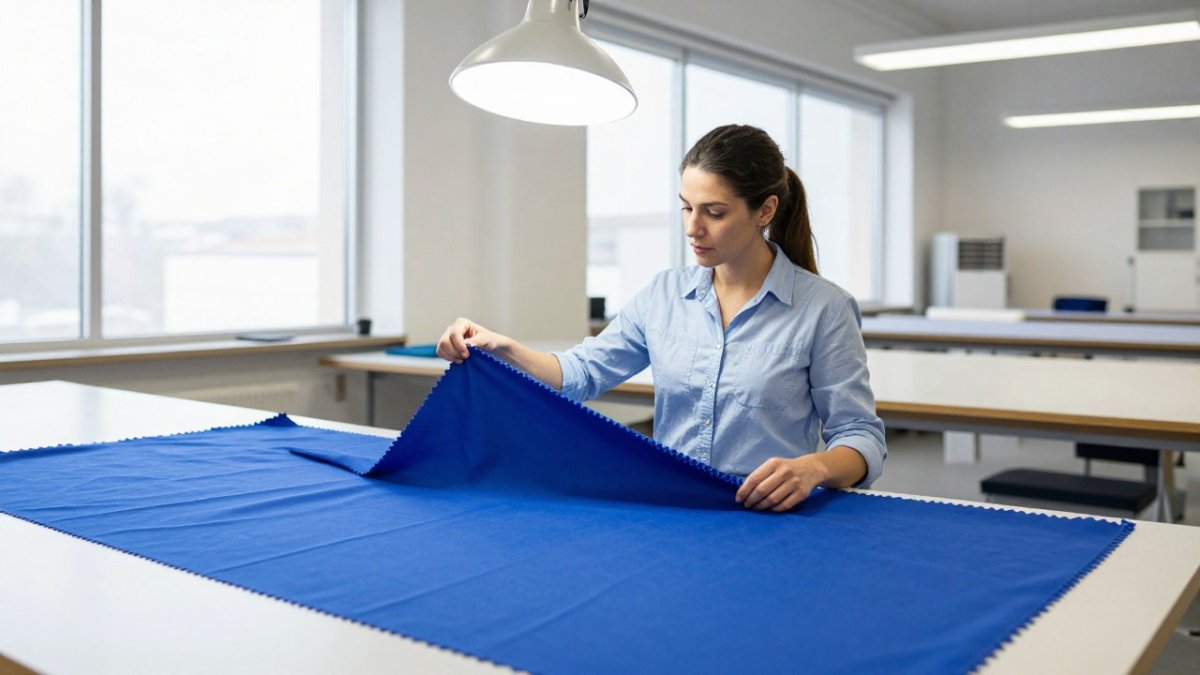
Request a sample or a swatch pack. Fabric hand-feel and color accuracy cannot be judged from a screen.
Ask for two references of similar size and sport. A provider that serves 200-player football programs may not be set up for a 12-player lacrosse team.
Get the delivery date in writing. A quoted lead time is not a commitment until it's on the order confirmation.
Where We Fit
Our top pick for most teams is Hometown Team Sports. We offer full team packages, batting gloves with 42 leather color options, and unlimited fabric color choices, backed by fast service and delivery. For small programs and large organizations alike, that combination of customization and speed is hard to match. We also handle the single-piece reorder problem that trips up most programs mid-season, and we archive your artwork so next year's order matches this year's colors.
Key Takeaway Score every provider on the same seven criteria using the same order scenario. A vendor that wins on unit price but loses on setup fees, shipping, or reorder support will cost you more by mid-season.
How Affordable Custom Sports Uniforms Fit Your Team Budget
Affordable custom sports uniforms come down to total cost, not sticker price. A cheaper uniform that fades or tears by week six isn't affordable. It's a repeat purchase.
Pricing depends on quantity, fabric choice, decoration method, and delivery timeline, so we always recommend requesting a quote rather than trusting a generic price list. The real budget question is what you get per dollar.
Quantity: Larger orders usually lower the per-unit cost
Fabric: Full leather and premium performance fabric cost more upfront but last longer
Decoration: Sublimation often beats screen printing on durability and cost over time
Timeline: Rush orders can carry premiums, so plan early
For a small youth team on a tight budget, the goal is finding a provider with no punishing order minimums and transparent pricing.
Watch Out The biggest budget mistake is buying on unit price alone. Teams that chase the lowest quote often reorder mid-season after colors fade or seams fail, spending more than if they'd bought durable gear once.
Custom Uniform Turnaround Time: What to Expect and How to Plan
Custom uniform turnaround time is the single most common source of frustration, and it's entirely avoidable with proper planning. Production schedules depend on design approval, order size, and shipping method, so the clock doesn't start until you've signed off on the final artwork.
Plan backward from your first game. If your season opens in mid-March, you want uniforms in hand at least two weeks earlier for fitting and any corrections. Build in buffer for design revisions and shipping delays.
A realistic planning sequence looks like this:
Finalize your roster and sizes
Approve design and artwork
Confirm the order and payment
Allow production time
Receive, inspect, and distribute
Ask any provider for a guaranteed delivery date in writing. "Fast delivery" means nothing without a commitment behind it.
The Custom Uniform Ordering Process: From Design to Delivery
The custom uniform ordering process should be simple, and it usually breaks down when too many people handle too many steps. A clean workflow keeps one point of contact and one source of truth for sizes and payments. Here's the full sequence, with the decision points that cause most delays.
Step 1: Roster, Sizes, and Fit Samples
Collect sizes using a single shared form, not scattered texts. Confirm youth through extended adult sizing, and check whether compression gear, tracksuits, and gloves are sized independently.
Step 2: Design and Artwork Approval
Confirm color and logo choices in one approval document. Ask how many revision rounds are included. The production clock does not start until you sign off on the final artwork, so every revision round adds days.
Step 3: Sampling and Pre-Production Proof
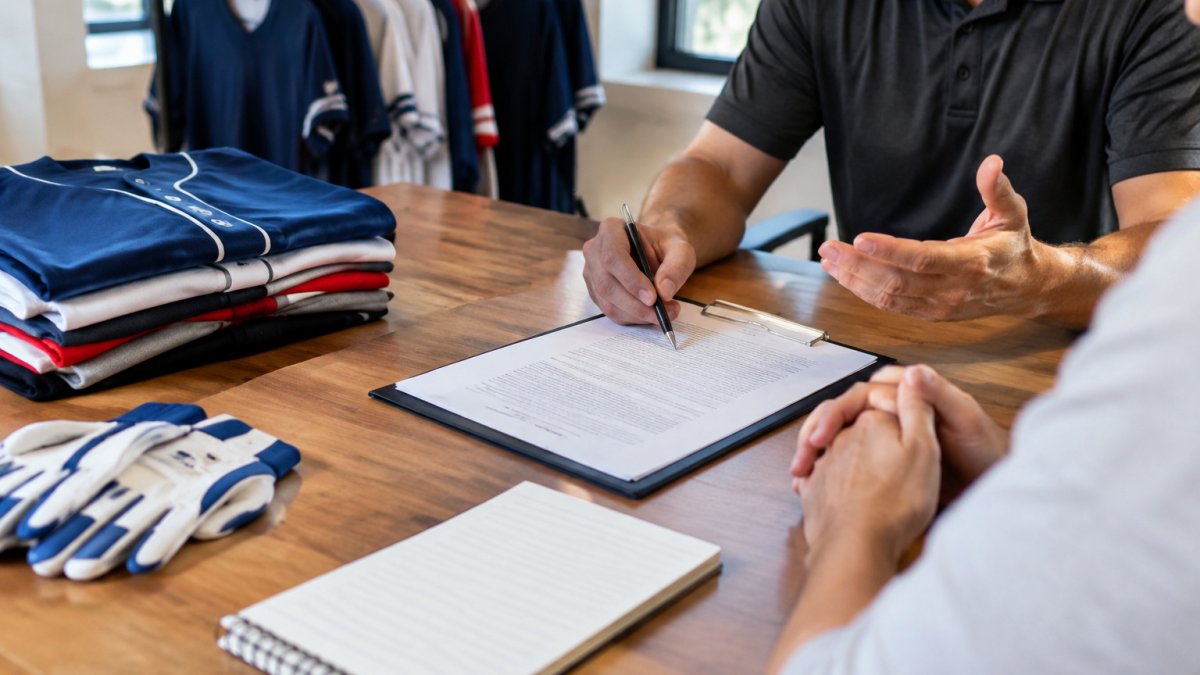
For larger orders, request a pre-production sample or a digital proof with exact color values. This is the last cheap moment to catch a wrong shade or a misplaced logo. Approve in writing.
Step 4: Order Confirmation and Payment
Centralize payment so families aren't chasing individual invoices. Confirm the final quantity, the delivery address, and the delivery date on the order confirmation.
Step 5: Production
Production time depends on decoration method, order size, and season. Ask for the quoted production days separately from shipping transit days, because the two are often conflated in marketing copy.
Step 6: Delivery, Inspection, and Distribution
Receive, inspect against the approved proof, and distribute. Report any defects immediately, since most providers have a short window for claims.
Planning Backward from Your Season
Work backward from your first game. If your season opens in mid-March, you want uniforms in hand at least two weeks earlier for fitting and corrections. Build in buffer for design revisions and shipping delays. A realistic sequence:
Finalize your roster and sizes
Approve design and artwork
[ ]
Confirm the order and payment
Allow production time
Allow shipping transit
Receive, inspect, and distribute
Pro Tip Get every size confirmed in writing before production. Sizing errors are the number one cause of reorders, and most providers can't fix a wrong size without charging for a replacement piece.
Sizing, Fit, and Inclusive Size Ranges
Sizing and fit decide whether a uniform actually gets worn. A provider that only stocks standard adult sizes leaves half your roster in gear that restricts movement or looks wrong.
Ask about youth through extended adult sizing, and whether compression gear, tracksuits, and batting gloves are sized independently. Gloves especially need fit options, since some athletes want a tight feel and others prefer a looser fit.
ASTM International standards for apparel sizing and fit offers useful context on how sizing systems are structured, which helps when you're comparing vendors.
Quality Verification and Supplier Due Diligence
Quality verification before you buy is what protects your season. Ask providers for references from similar programs, and clarity on what happens if something arrives defective.
Real customer proof matters here. Programs like Newsome High School, Sumner HS, South Broward, and the Tampa Mustangs have trusted us with their team gear, and that track record is worth more than any marketing claim. When you vet a supplier, check three things:
Sample quality: Request fabric and glove samples before committing
References: Ask for teams of similar size and sport
Guarantees: Get defect and reorder policies in writing
Best For Small youth teams and large high school programs that need durable gear, real customization, and a provider who answers when something goes wrong.
Conclusion: Choosing the Best Custom Uniform Provider for Your Team
The hardest part of sourcing team gear isn't finding options. It's finding a provider who delivers what they promise, on time, at a price that respects your budget. Get the fabric, design flexibility, turnaround, and sizing right, and everything else falls into place.
At Hometown Team Sports, we built our process around exactly those priorities: full team packages, batting gloves with 42 leather color options, unlimited fabric color choices, and fast, reliable delivery.
Order online today and get your team into gear that fits, lasts, and looks like it belongs to you.
Frequently Asked Questions
How do I choose a custom uniform provider for my team?
Start by listing your must-haves: sport-specific gear, design flexibility, and a delivery date that matches your season. Ask each provider about fabric quality and minimum order quantities. Request a sample or see their work for local teams. Hometown Team Sports, for example, offers full team packages and 42 leather color options for batting gloves, so you can match every player's preference.
How long does it take to receive custom uniforms?
Production and delivery times vary by provider, order size, and customization complexity. Most custom uniform companies quote a turnaround time of several weeks, and rush options may be available for an extra fee. When you request a quote, ask for a guaranteed delivery date and what happens if the order ships late. Plan to place your order at least 6-8 weeks before your first game to allow time for design approval, production, and shipping.
Can teams order custom uniforms in small quantities?
Many custom uniform providers set order minimums, often around 10-12 pieces per design. If you have a small youth team of 12 kids, look for providers that cater to small orders without charging excessive setup fees. Hometown Team Sports works with teams of all sizes, from small youth squads to competitive travel leagues, and offers affordable custom sports uniforms. Always confirm minimums before you commit.
What is the best way to ensure colors match what I see online?
Request physical color swatches or a sample uniform before placing a full order. Screens can distort colors, so a physical sample is the only way to guarantee a match. Ask the provider about their color-matching process. Hometown Team Sports provides unlimited fabric color choices and 42 leather color options for batting gloves, and their design team can help you verify exact shades before production begins.

Great breakdown, Christopher. The advice to ask for the all-in number (unit price plus setup, shipping and rush fees) is the one I wish more buyers followed, because the lowest unit price is so often not the lowest total. I also like the idea of requesting a fabric swatch before ordering, since colours rarely look the same on a screen.
Your mention of a 60-piece corporate polo program made me think of golf clubs and company golf days, which face the same issues. For personalised golf shirts, I'd add that logo placement and decoration method matter a lot. Embroidery on the chest tends to hold up better through repeated washing than printing, and it's worth getting a proof to check…